Organize before you automate: why messy systems break AI
The unglamorous step that makes everything else work.
Aug 10, 2026You shouldn't have to become technical to put AI to work in your business. Here's one piece of that, in plain language.
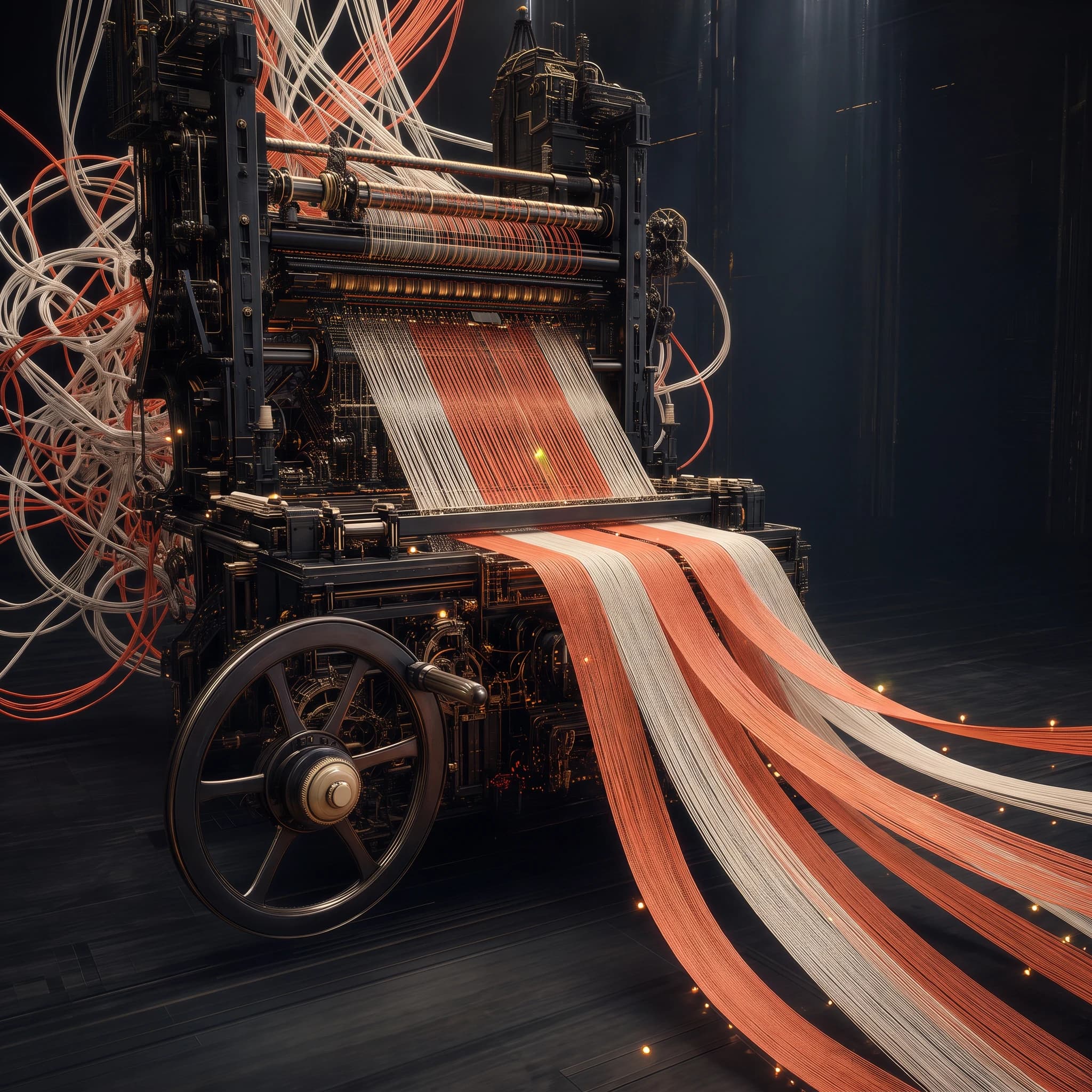

Everyone wants to talk about the shiny automation. Almost no one wants to talk about the filing first. But here's the unglamorous truth from 25 years of building these systems as a studio: AI dropped onto a messy business doesn't fix the mess — it speeds it up. Organize first, and everything after gets easier.

Why do messy systems break AI?
Because AI acts on whatever you give it — and if that's scattered, out-of-date, or contradictory, it confidently does the wrong thing, fast. An automation that pulls from three different customer lists will email the same person twice and miss the one who matters. A chatbot trained on a folder of old prices will quote the old prices. The pattern shows up at every scale: when big companies push AI in without first rebuilding the work around it, roughly 95% of those pilots show no measurable return — only about 5% pay off (MIT NANDA, 2025). The cause is rarely the AI; it's the disorder underneath it. A computer doesn't apply common sense to a mess the way a long-time employee does — it just executes. So the cheapest, highest-leverage move isn't a smarter tool. It's getting your information into one clean, current, trustworthy place before you automate a single thing.
What does "organized" actually mean for a small business?
- One source of truth — your customer list, prices, and key documents live in one place, current and de-duplicated, not scattered across inboxes and sticky notes
- Workflows written down — the handful of steps that run your business, named plainly enough that a new hire (or an AI) could follow them
- The numbers that matter — the few figures you'd actually use to make a decision, in one tidy view
- Files you own and control — on tools that are yours, so the system (and the data) never gets held hostage
- A versioned operating folder — one calm home for all of it, that you keep no matter what

Isn't organizing just slowing things down before the real work?
It feels that way for about a week, and then it's the reason everything else works. Skipping the organize step is the most common way money gets wasted on AI: most US small businesses that adopt a tool never even get to a second one — only 28% use more than one (JPMorganChase Institute, 2026) — often because the first one underdelivered on top of a messy foundation and soured them on the whole idea. Organizing first flips that. When your information is clean and your workflow is written down, a build that would have been fragile and frustrating becomes quick and obvious. You also get a real benefit on day one, before any automation: you can finally see your own business clearly. That clarity is worth the sprint by itself — the automation that follows is just easier because the hard part is already done.

Do I lose this work if I change tools or part ways with you?
No — and that's the point of doing it this way. The organized foundation is yours: it lives on tools you own and control, in a folder you keep. We build the system around your business, not locked inside ours, so there's no hostage situation if you ever want to switch tools or move on. That matters more in the AI era, not less. Every few months a new, more capable AI model arrives — and a clean, well-organized business is exactly what lets you take advantage of it without starting over. Messy businesses have to rebuild every time; organized ones just plug the better engine into the order they already have. So the filing isn't busywork you'll redo — it's the durable asset underneath everything. You keep the foundation, the data, and the workflows, full stop. That's ownership, and it's how you stay in control as the tech keeps moving.
How do we do it without overwhelming you?
Calmly, in one focused session, with you approving each step. Getting you organized before you automate is deliberately small: we sit down, sort the clutter into one current operating folder, write down the few workflows that run your business, and surface the numbers that actually matter. No jargon, no big commitment, and you keep everything we produce. You leave with a clear picture of your own business and your single best first move — useful on its own, whether or not you automate anything next. That's the whole philosophy in one habit: organize before you automate, so the technology has something solid to stand on. It's the least glamorous step and the one that makes every step after it work.
Start with the foundation
If your business feels too messy for AI, that's not a reason to wait — it's exactly where to start. Getting organized is the move that pays for itself, and it's the one we begin almost every engagement with. We're a senior studio in Cobourg; I'm usually the first person you'll talk to, and I'll keep the plan honest and jargon-free from the first call. Book a 30-minute fit call and we'll find the one corner of your business to put in order first — no pressure, and something useful either way.
The unglamorous step that makes everything else work.